
Industrial 3D Printing for Functional Electronic Components
The electronics industry is evolving rapidly, demanding faster prototyping, lightweight structures, and cost-efficient production methods. Traditional manufacturing processes such as injection molding often require expensive tooling, long lead times, and high minimum order quantities.
Industrial 3D printing is transforming how functional electronic components are designed, prototyped, and manufactured - enabling speed, flexibility, and production-ready performance.
Why Industrial 3D Printing is Ideal for Electronics Manufacturing
Functional electronic components require:
• Precision tolerances
• Durable and heat-resistant materials
• Lightweight construction
• Custom enclosure customization
• Rapid design iterations
Advanced additive manufacturing technologies such as Multi Jet Fusion (MJF), FDM, and SLA 3D printing provide the strength, accuracy, and repeatability required for industrial electronic applications.
Unlike conventional methods, 3D printing eliminates tooling constraints, making it ideal for electronics prototyping and low-volume production.
Key Applications of 3D Printing in Electronics
1. Custom Electronics Enclosures
3D printing enables fully customized electronics enclosures for PCB assemblies, IoT devices, sensors, robotics systems, and industrial control panels. Engineers can integrate snap-fits, ventilation channels, cable routing paths, mounting brackets, and structural reinforcements directly into a single printed component. This reduces assembly time and improves product reliability.
2. Functional Prototyping for Electronic Devices
Rapid prototyping allows real-fit and real-function testing within days instead of weeks. Design teams can validate mechanical fit, thermal performance, and structural strength before moving to production.
3. Low-Volume Production of Electronic Components
For industries such as robotics, medical electronics, automotive electronics, and drones, 3D printing removes the need for expensive molds.
It is highly cost-effective for:
• Low-to-medium production runs
• Bridge manufacturing
• Pilot production batches
• Custom industrial electronics housings
4. Lightweight & Durable Structural Parts
Materials such as PA12 offer excellent strength-to-weight ratio, impact resistance, and dimensional stability - making them ideal for portable electronic devices and drone electronics housings.
Advantages Over Traditional Manufacturing
Faster Time to Market
Digital CAD files move directly to production without tooling delays.
Cost Efficiency for Low Volumes
No mold cost means reduced upfront investment and faster ROI.
Design Freedom
Complex geometries, internal cooling channels, lattice structures, and integrated features are easily achievable.
Material Selection for Functional Electronic Components
Choosing the right material is critical for durability and performance.
• PA12 (MJF) - Strong, impact-resistant, ideal for industrial electronics enclosures
• ABS (FDM) - Cost-effective for functional prototypes
• Engineering Resins (SLA) - High-detail, smooth finish components
Material selection depends on environmental exposure, mechanical stress, and thermal requirements.
Thermal & Mechanical Performance
Industrial 3D printed electronic housings can incorporate:
• Ventilation structures
• Heat dissipation channels
• Reinforced ribs
• EMI shielding (with post-processing)
These features ensure that parts are not just prototypes - but production-ready functional components.
Industries Benefiting from 3D Printing in Electronics
• Robotics & Automation
• IoT & Smart Devices
• Automotive Electronics
• Aerospace & Defense
• Medical Devices
• Drone & UAV Systems
These industries require precision, customization, and fast deployment - making additive manufacturing a strategic advantage.
The Future of Electronics Manufacturing
As electronic devices become more compact and intelligent, flexible manufacturing solutions are essential. 3D printing enables on-demand production, digital inventory management, and localized manufacturing - reshaping the electronics supply chain.
Companies leveraging advanced additive manufacturing technologies gain competitive advantages through speed, innovation, and reduced operational costs.
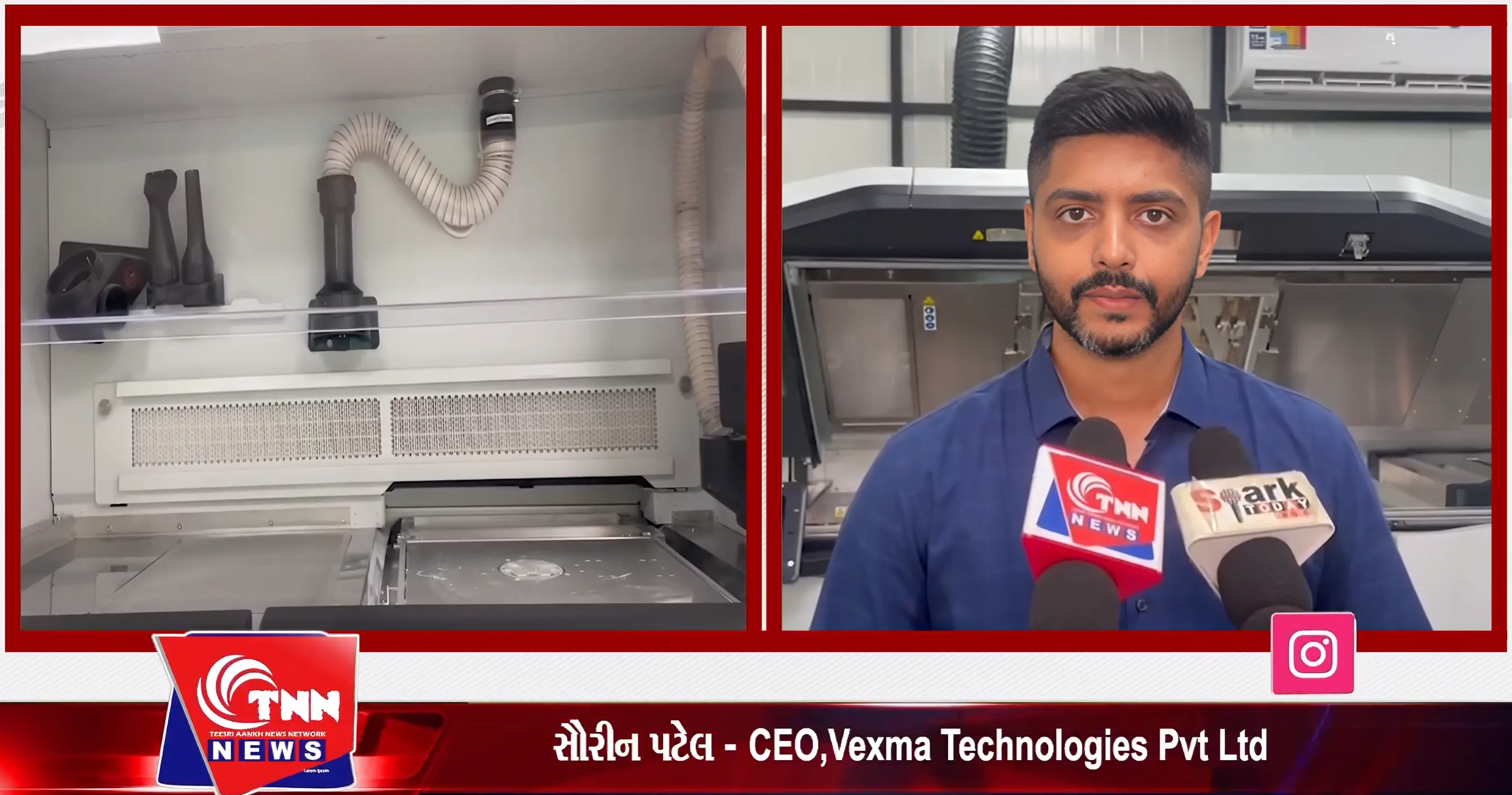
At Vexma, industrial 3D printing solutions are engineered to support functional electronic components - from rapid prototyping to production-ready enclosures - delivering precision, durability, and faster turnaround times.
Conclusion
Industrial 3D printing has evolved beyond prototyping. It is now a powerful manufacturing solution for functional electronic components, including custom enclosures, structural housings, and low-volume production parts.
By combining advanced materials, precision engineering, and digital manufacturing workflows, electronics manufacturers can accelerate product development and enhance performance in competitive markets.
👉 Contact Vexma Technologies to explore how additive manufacturing can power your product innovation.