What Impact Will AI Have on the 3D Printing Industry? (Future Trends, Benefits & Real-World Applications)
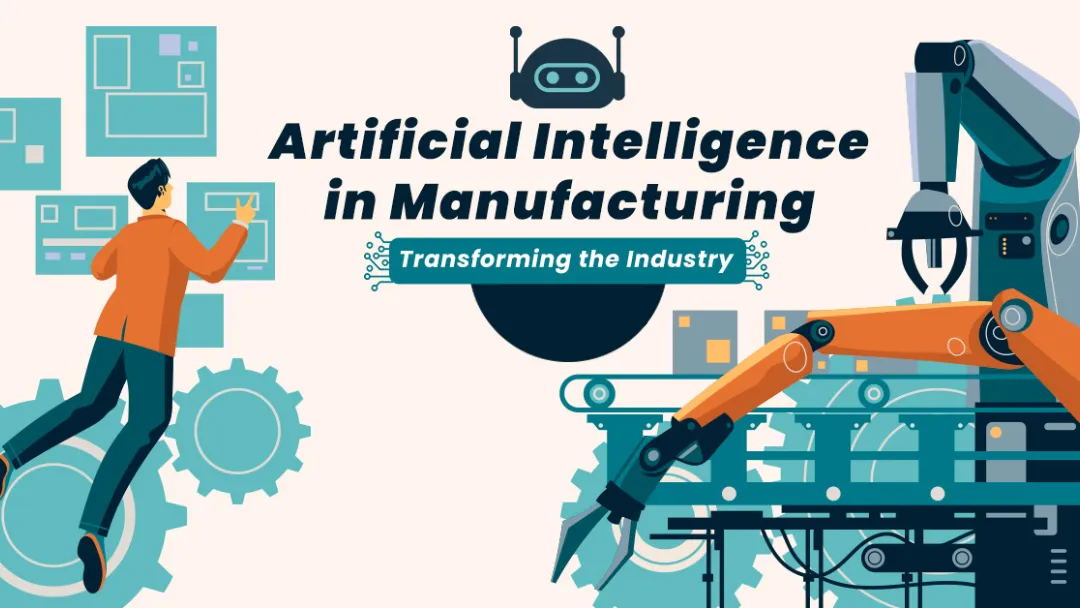
The convergence of AI and 3D printing is reshaping the future of manufacturing. As industries shift toward smart factories, AI-driven additive manufacturing is enabling companies to design faster, print smarter, and produce more efficiently than ever before. From automated design generation to predictive maintenance, AI is unlocking the next phase of innovation in additive manufacturing.
In this blog, we explore how AI will transform the 3D printing industry, along with its benefits, trends, challenges, and long-term impact.
1. AI Will Accelerate Design Automation & Generative Design
Traditional 3D modelling can be slow and requires expertise. AI changes this with:
-> Generative design algorithms
-> Automatic creation of lightweight structures
-> AI-based optimization for strength, durability & material use
2. Smarter Print Settings Through Machine Learning
AI algorithms can automatically adjust:
-> Print speed
-> Layer height
-> Material flow
-> Support structures
-> Thermal profiles
This results in higher accuracy, fewer failures, and better part quality - especially for SLA, SLS, and metal 3D printing.
3. Reduced Print Failures with Predictive Analytics
AI-powered monitoring systems can:
-> Detect print anomalies in real time
-> Predict potential failures
-> Recommend corrective actions
-> Reduce downtime and wasted materials
For industrial setups, this can reduce defects by up to 40–60%.
4. AI + 3D Printing = Smarter Manufacturing Workflows
AI will streamline full production workflows, such as:
-> Automated quoting
-> Job scheduling
-> Material forecasting
-> Quality control automation
-> End-to-end production tracking
This is especially useful in metal additive manufacturing.
5. Sustainability Improvements Through AI
AI helps reduce:
-> Material waste
-> Failed prints
-> Energy consumption
-> Support structures
This pushes additive manufacturing toward a more eco-friendly production model.
6. AI Enables Mass Customization at Scale
Businesses can quickly create:
-> Patient-specific medical implants
-> Custom automotive components
-> Tailored consumer products
AI automates parameter adjustments, making large-scale personalization feasible.
7. AI Will Boost Metal Additive Manufacturing
Metal printing benefits the most from AI due to its complexity.
AI improves:
-> Laser path optimization
-> Melt pool monitoring
-> Powder bed fusion stability
-> Porosity reduction
✨Future Trends to Watch
-> Fully autonomous 3D printing factories
-> AI-driven material discovery & recycling
-> Large-scale robotic 3D printing
-> Cloud-connected global print networks
-> AI-guided medical bioprinting
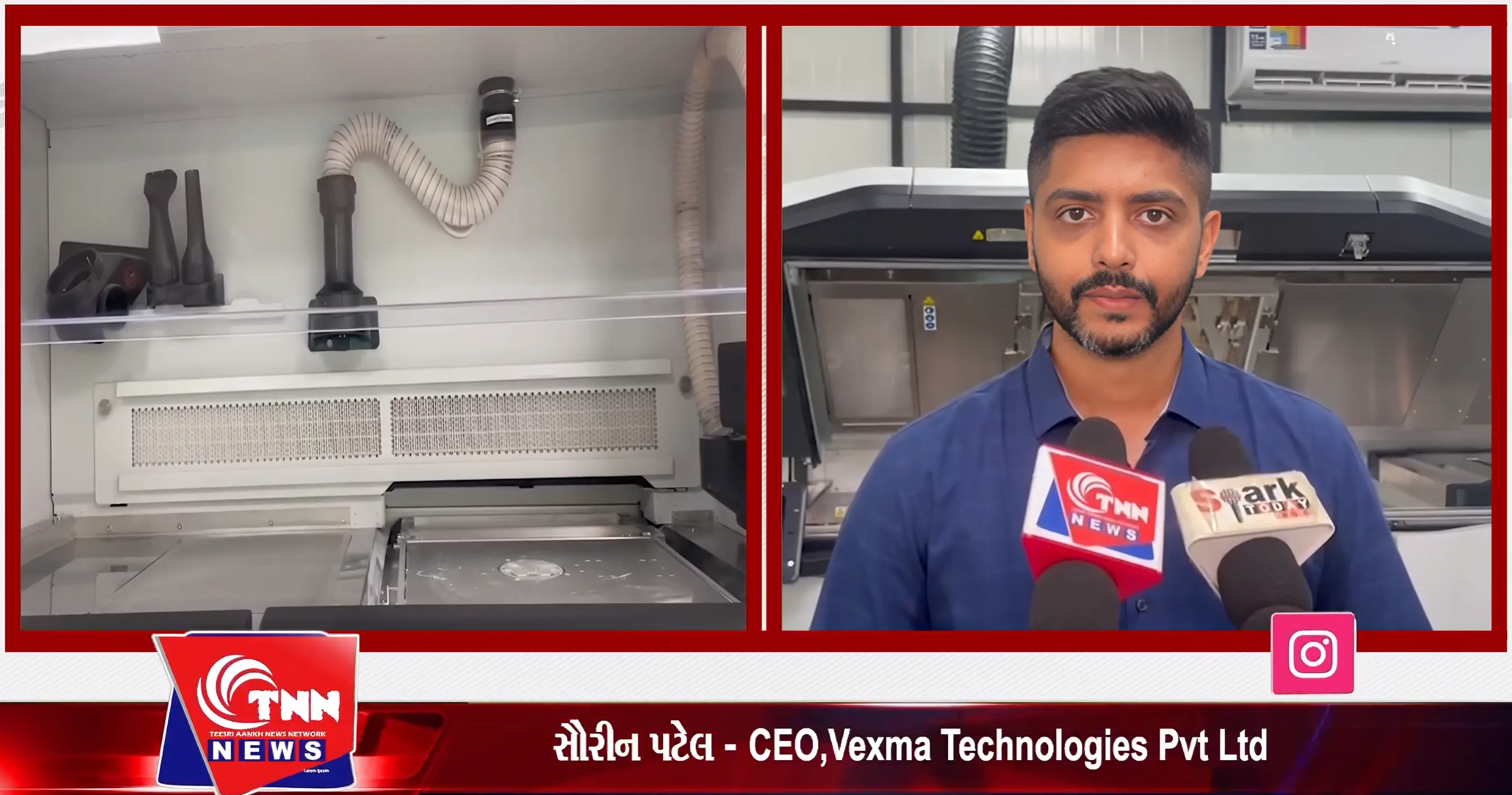
Companies like Vexma Technologies are already adopting intelligent automation workflows to streamline manufacturing and scale production with multi-technology printing capabilities. With AI, services like Vexma can deliver faster turnaround, higher accuracy, and more cost-efficient industrial manufacturing.
✨Benefits of AI Integration in Additive Manufacturing
✔ Faster product development
✔ Lower production cost & waste reduction
✔ Higher repeatability & consistency
✔ Greater design freedom & customization
✔ Stronger performance-optimized components
✨Conclusion
AI is not replacing 3D printing services - it is elevating it into a smart, automated, and scalable manufacturing ecosystem. As industries shift from prototypes to real production, the integration of AI will determine competitive advantage. Manufacturers who adopt AI-enabled additive technologies today will emerge as leaders in efficiency, flexibility, and innovation.
With advanced printing capabilities and cloud-based manufacturing intelligence, Vexma is helping industries move toward the future of autonomous, data-driven production.